Newsletter Subscribe
Enter your email address below and subscribe to our newsletter

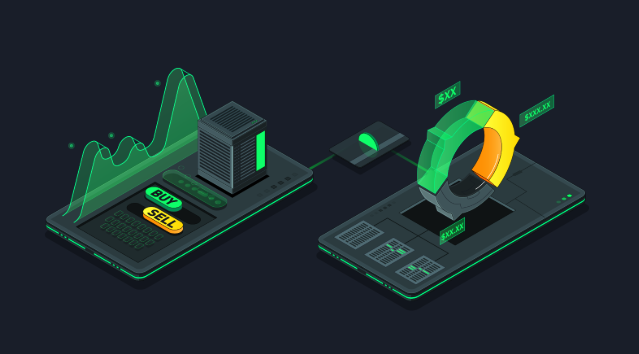
A stop-loss order in crypto is a risk-management tool that automatically sells a position when a specified price is reached. It helps limit potential losses and removes emotion from exit timing. Different exchanges implement fixed, trailing, or conditional triggers, so traders must understand mechanics and liquidity. While it protects downside, it does not define long-term strategy. Setups must account for volatility, taxes, and potential slippage, leaving one to consider how to adapt as markets move.
The mechanism intersects crypto taxation considerations and liquidity risk, as rapid moves can affect reporting and execution. Proper setup supports disciplined risk control without surrendering strategic autonomy.
How do stop-loss orders function differently across exchanges? Across platforms, order types vary: fixed-price stops, trailing stops, and conditional triggers affect execution. Across venues, liquidity, match engine speed, and fees shape outcomes. Traders must consider risk management implications and potential liquidity impact, including slippage during spikes and how cross-exchange routing may influence fill probability and timing.
See also: uploadwords
Setting effective stop-loss levels in crypto requires aligning risk tolerance with market structure. Traders determine thresholds by analyzing volatility, support and resistance, and time horizon, then position stops to balance protection with upside.
Trading psychology influences discipline and adherence to plans. Awareness of tax implications guides reporting and planning, ensuring stop decisions support long-term strategy without unnecessary churn.
Common pitfalls in crypto stop-losses often arise from misjudged volatility, improper sizing, and emotional reactions that derail planned risk management.
Advanced tips emphasize disciplined ordering, tiered protections, and dynamic adjustments to volatility shifts.
Traders should cultivate emotional discipline to avoid impulsive changes, and implement robust risk management practices, including position sizing and trailing mechanisms, to sustain long-term exposure without overreacting to short-term moves.
Slippage impact occurs when rapid price movement overruns the stop, causing fills at worse levels. In thin markets, market depth thinness amplifies this effect, potentially triggering partial fills or no fill, while deeper markets reduce slippage risk.
During low liquidity, stop-loss orders may trigger, but fills become uncertain. The story reveals stop loss mechanics rely on available buyers, while liquidity risks rise; execution can lag, slippage increase, and protection uncertain for freedom-seeking traders.
Tax implications exist for crypto stop-loss trades, particularly concerning tax reporting and potential wash sale implications, depending on jurisdiction; a careful recordkeeping approach is advised, with awareness of rules that may affect deductibility and compliance for freedom-focused traders.
What defines dynamic or trailing stop-loss options? They adjust with price moves, employing dynamic hedging and volatility triggers to protect gains or limit losses, adapting thresholds as markets evolve while preserving freedom to ride trends rather than fixate on static exits.
Yes, stop-loss orders can affect exchange balances and funding rates indirectly, as executions alter available liquidity and order book dynamics, influencing volatility metrics and order routing strategies across markets. They do not directly modify personal balances outside the exchange.
Stop-loss orders in crypto are a disciplined risk-management tool that automatically exits a position when a specified price is hit. They help limit downside without constant monitoring, but effectiveness depends on exchange mechanics, liquidity, and market volatility. While they protect capital, they don’t determine long-term strategy and can trigger during thin liquidity or whipsaws. A notable stat: in 2023, crypto daily volatility averaged around 4–6%, making properly placed stop-losses crucial to avoid premature exits.